Product

.jpg)
Across the construction industry sector, sustainability decisions are becoming more complex as standards and regulations tighten. Architects can only make these choices confidently when the environmental information they receive on the products they specify is clear, consistent and grounded in real data. Senior Architectural Systems’ UK Sustainability Lead Luke Osborne takes a closer look at some of the practical steps aluminium fenestration systems manufacturers should be taking to create a clearer picture for specifiers.
The importance of accurate carbon reporting
Across construction, environmental reporting is tightening, with frameworks such as the UK Net Zero Carbon Buildings Standard highlighting the need for whole‑life carbon assessments. Increasing scrutiny from green finance and public procurement is also driving demand for robust, verifiable data, with auditors increasingly checking what has actually been installed on site to ensure environmental claims match real‑world delivery. If architects don’t have access to reliable carbon information, buildings risk being designed on assumptions that fall short of compliance, potentially leading to higher embodied carbon, missed sustainability targets and a loss of trust across the fenestration sector. Without accurate Environmental Product Declarations (EPDs) environmental reporting becomes a marketing exercise rather than a meaningful tool.
Interrogating the information
EPDs remain one of the most valuable tools for understanding a product’s impact, but understanding what has been included, excluded and assumed within the assessment is just as important as the headline result. If key lifecycle stages are omitted or averaged in ways that hide variation, carbon figures can appear artificially low. This is a common problem with aluminium fenestration system EPDs for doors, windows and curtain walling, as there is currently no standardised approach. Whereas some, like the ones Senior has produced, cover the full specified system, many others only include carbon data relating to the raw aluminium billet, meaning that thermal breaks, gaskets, fixings, fabrication, delivery to site and the energy‑intensive extrusion process may not be included at all. As many generic EPDs report carbon for 1kg of aluminium and exclude these key stages, it becomes incredibly difficult for architects to understand what they are actually specifying or to compare systems fairly.
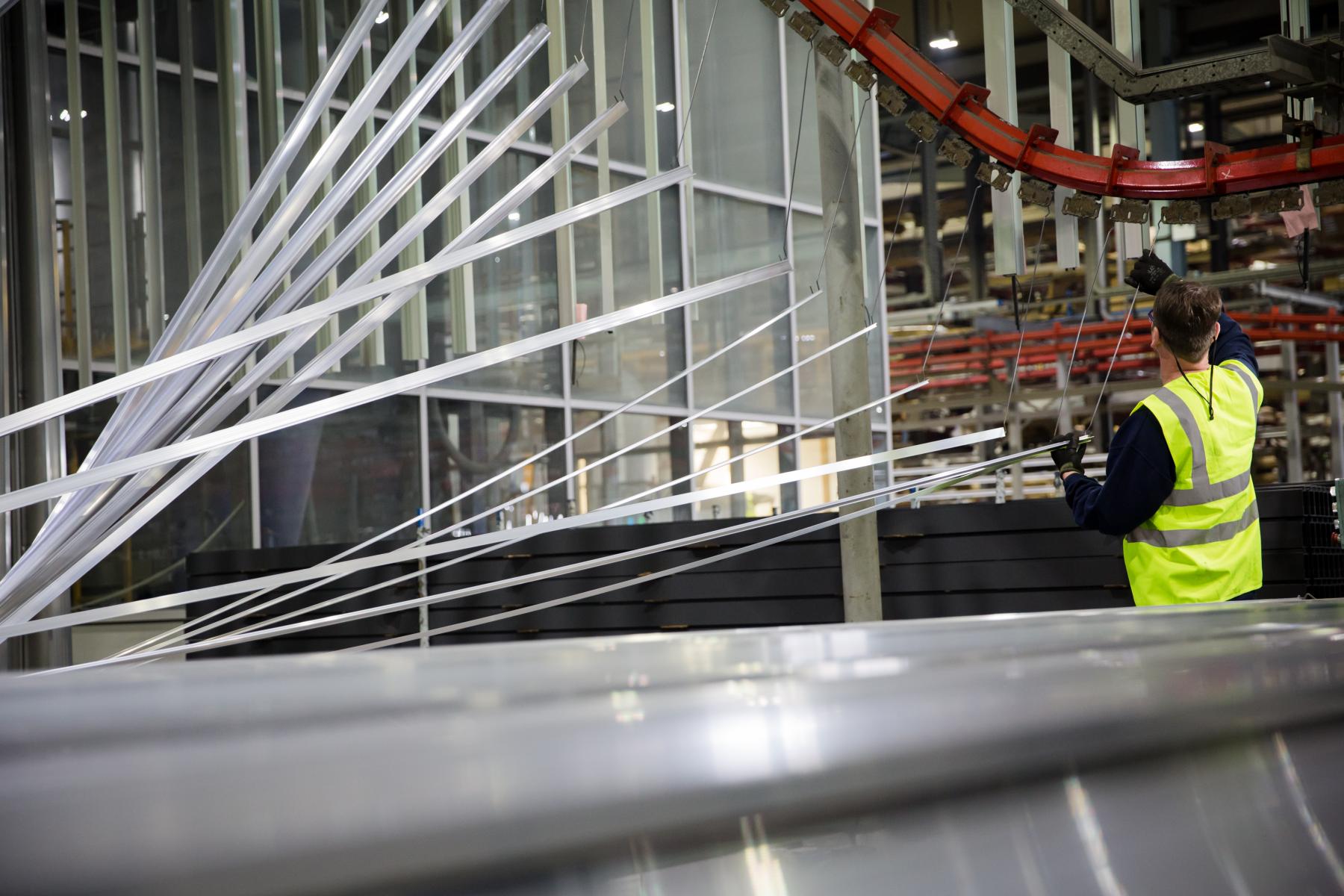
The environmental impact of aluminium begins long before a profile reaches site. The source of the metal, the energy used in extrusion and the recycled content incorporated all shape the final carbon figure, and when manufacturers quote a single ‘low carbon’ number without explaining how it was reached, specifiers lose the context needed to make informed decisions. Inconsistent or incomplete information not only undermines meaningful comparison but also risks buildings being designed on assumptions that do not hold up to scrutiny.

How including glazing within system EPDs can distort aluminium carbon data
Including glazing within a fenestration system EPD can also distort figures. Most aluminium system manufacturers don’t supply glass, yet glazing is sometimes blended into the environmental data. Because glass is heavy and has a relatively low carbon per kg figure, its inclusion can make an aluminium system appear to have a lower carbon value than it truly does. Glazing specifications also vary widely, with coatings, treatments and performance requirements all influencing the carbon impact. Combining glass and frame data can mask meaningful differences between systems and make comparisons unreliable.
Why glazing requires its own independently verified EPD
Glazing is an important part of any window or curtain wall system, but in environmental reporting terms it is a distinct material with its own energy‑intensive processes, coatings and treatments. Reporting it separately avoids blurring the true impact of the specified aluminium frame.
Of course producing a standalone glazing EPD requires detailed data from every stage of production, which not all manufacturers currently have the systems or resources to deliver. However this distinction is an important one and, as separating glazing from aluminium systems EPDs will ultimately lead to more accurate reporting across the supply chain, it should be encouraged.
Why Senior’s approach to EPDs sets a new transparency benchmark
Senior has taken a deliberately different route to creating our product‑specific EPDs. Rather than relying on generic industry datasets, we have focused on publishing EPDs that reflect how our systems are genuinely made, from the aluminium source and extrusion energy through to fabrication and delivery via our UK fabricator network. Vitally, all our EPDs are independently verified, giving architects confidence that the information has been reviewed by competent third parties.
Our first published product‑specific EPD for the SF52 aluminium curtain wall system sets this benchmark. As curtain walling is inherently bespoke, making like‑for‑like comparisons is incredibly difficult, which is why we aligned our EPD with the latest BS EN 18001:2024+A2 Product Category Rules, using recommended reference sizes and excluding glazing as this isn’t a component we supply. Multiple system sizes have been verified and non‑linear scaling tables developed to provide precise data across the full SF52 range. Senior is currently the only UK aluminium fenestration system house to take this comprehensive and fully verified approach.
Working together to improve transparency
Although awareness of the need to question EPD data is increasing across the industry, many specifiers and architects, particularly within smaller practices, are stretched for time. They want to make responsible choices but can’t be expected to unpick every technical detail, which is why we believe it is the manufacturers’ responsibility to establish and maintain good practice. Making clear, accessible environmental data the norm has to be the way forward. After all, interrogating an EPD isn’t about catching anyone out; it is an essential process that helps raise standards and ensures the numbers reflect real manufacturing processes rather than marketing claims.
For more information please visit www.seniorarchitectural.co.uk